


Nervous System collaborates with scientists to create 3D bioprinted liver in ARPA-H award
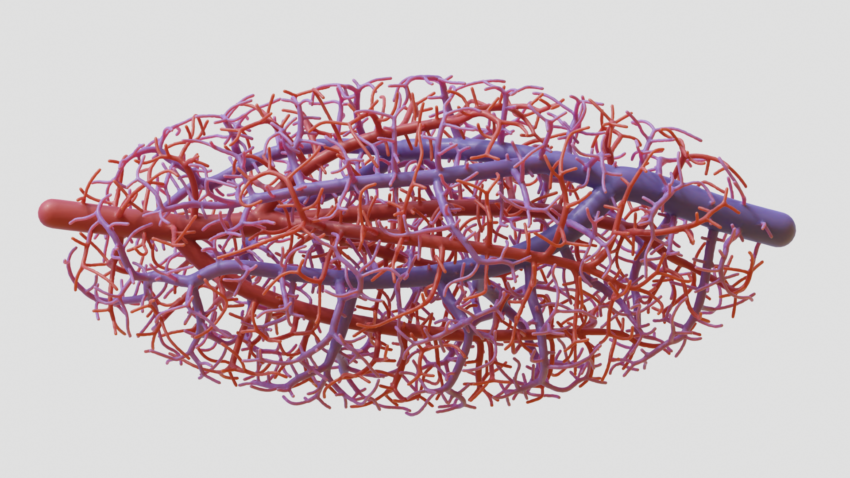
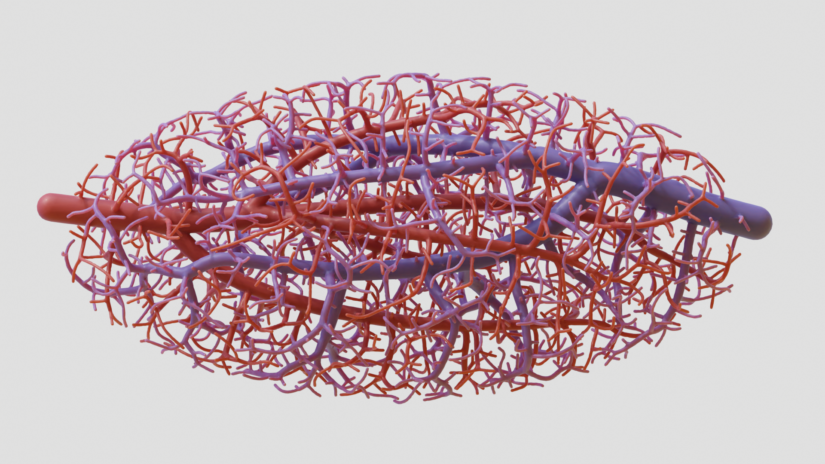
Nervous System is part of a multidisciplinary team of scientists and engineers which recently received an award of up to $28.5 million to create a functional 3D bioprinted liver for people with acute liver failure from the Advanced Research Projects Agency for Health (ARPA-H) Personalized Regenerative Immunocompetent Nanotechnology Tissue (PRINT) program. The project, called LIVE (Liver Immunocompetent Volumetric Engineering), is co-led by Kelly Stevens of the University of Washington and Adam Feinberg of Carnegie Mellon University. The PRINT program is led by ARPA-H Program Manager Ryan Spitler, Ph.D.
About 100,000 organ transplants take place annually in the United States, yet just as many people remain on transplant waiting lists. Not everyone survives long enough for an organ to become available. While researchers have previously created miniature organ models, these constructs have not been large enough for human transplantation. The LIVE project aims to bioprint functional human-scale livers for transplantation, addressing a critical shortage for patients with liver failure.
With this project, Nervous System continues their decade-long, pioneering work designing vascular structures for 3D-printed tissues using biologically inspired algorithms. For the past two years, Nervous System has been collaborating with the Stevens Lab to design liver specific vascular architectures. We are excited to expand this work and dive deep into developing computational models for generating complex vascular networks. Creating a bioprinted liver represents a dramatic leap in scale and complexity from the structures we have previously designed and fabricated.
This publication was supported by the Advanced Research Projects Agency for Health (ARPA-H) under Award Number D25AC00460-00, providing up to $28,520,065 for a 60-month period. The content is solely the responsibility of the authors and does not necessarily represent the official views of the Advanced Research Projects Agency for Health.


Leave a Reply